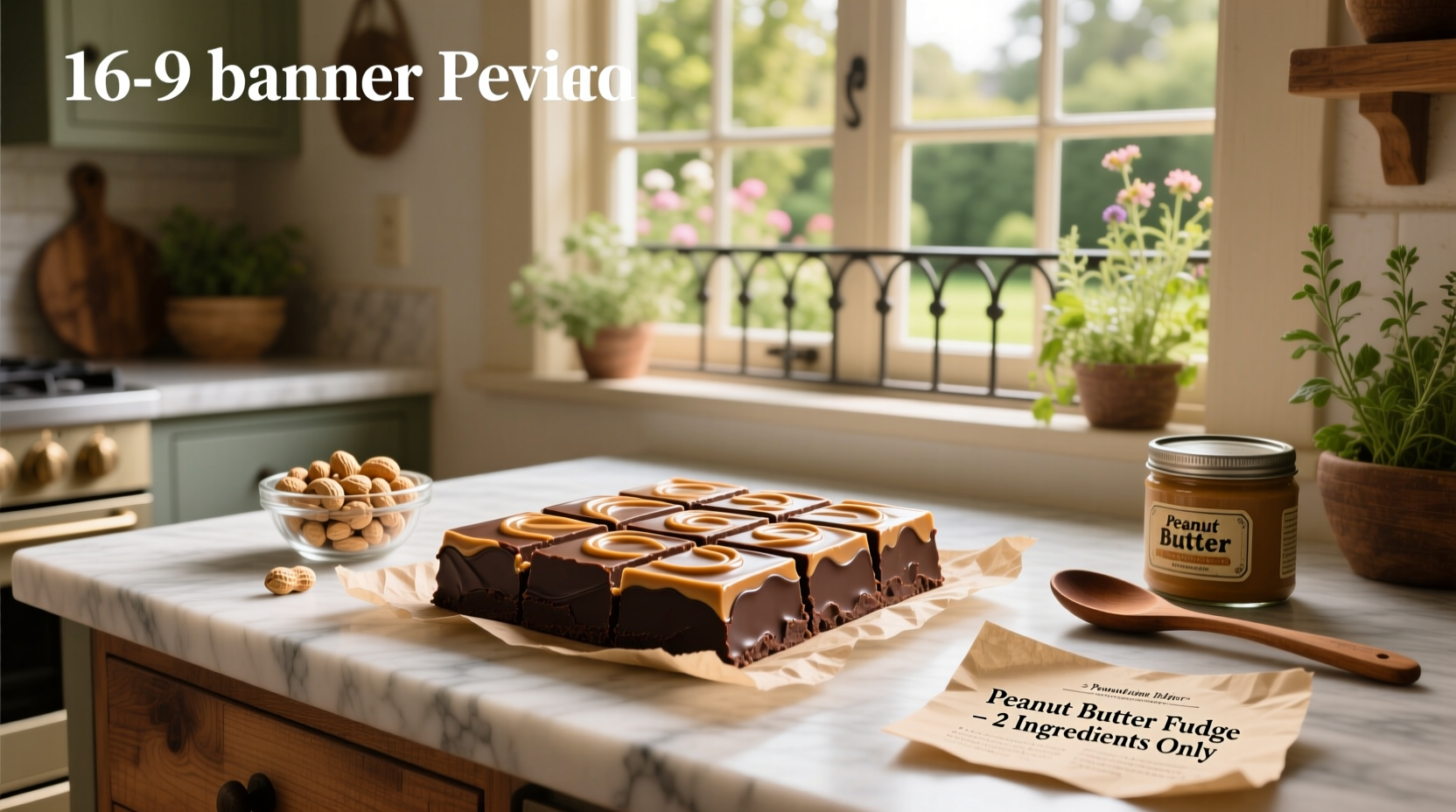
Unlocking the Secret to Creamy Peanut Butter Fudge: Natural vs. Smooth
The quest for perfectly creamy peanut butter fudge often leads home cooks down a delicious path, but sometimes with a perplexing fork in the road: which type of peanut butter is best? With countless recipes promising melt-in-your-mouth results, it’s easy to assume all peanut butter is created equal when it comes to candy-making. However, for that ultimate smooth, rich, and perfectly set
easy 4-ingredient peanut butter fudge, the choice between natural and conventional smooth peanut butter is not just a preference – it's a critical decision that dictates the very texture of your final treat. Let's dive into the creamy conundrum and discover why one stands head and shoulders above the other for achieving fudge perfection.
The Creamy Conundrum: Why Peanut Butter Type Matters for Fudge
Imagine biting into a piece of homemade peanut butter fudge. You expect a soft, yielding texture that dissolves on your tongue, leaving behind a rich, sweet, and salty flavor. What you absolutely don't want is a dry, crumbly, or hard morsel. The consistency of your peanut butter plays a pivotal role in achieving this desired mouthfeel, especially in simple, no-bake fudge recipes that rely on precise ingredient interactions rather than complex candy thermometer techniques.
Peanut butter, at its core, is a paste made from ground, dry-roasted peanuts. But the world of peanut butter isn't monolithic. We broadly categorize them into two camps: "natural" varieties and "smooth" or "no-stir" varieties. While both offer that unmistakable nutty flavor, their structural differences are profound, and these differences directly impact their performance in recipes like peanut butter fudge.
Natural peanut butter typically contains only peanuts and perhaps a touch of salt. Its defining characteristic is the oil separation that occurs when it sits, requiring a good stir before use. On the other hand, smooth, conventional peanut butter (think Jif, Skippy, Peter Pan) incorporates stabilizers, often hydrogenated oils, that keep the peanut solids and oils uniformly emulsified, preventing separation. This fundamental difference in composition is the key to understanding why one triumphs in the realm of creamy
peanut butter fudge: avoid dry & crumbly textures.
Smooth Operator: The Undisputed King for Luscious Fudge
When it comes comes to crafting truly luscious, melt-in-your-mouth peanut butter fudge, the verdict is overwhelmingly in favor of
smooth, no-stir peanut butter. Brands like Jif, Skippy, or Peter Pan aren't just household staples; they are the secret weapon for achieving that ideal fudge texture without a candy thermometer or advanced skills.
Here's why conventional smooth peanut butter is your best friend in the fudge-making kitchen:
* **Consistent Emulsification:** The stabilizers in smooth peanut butter ensure that the oils and peanut solids remain perfectly integrated. This uniform distribution of fat and solids is absolutely crucial for fudge. Fudge recipes rely on a precise balance of fats (from butter and peanut butter) and sugar to create a stable, creamy emulsion when melted and mixed. Inconsistent fat content from separated natural peanut butter can throw this delicate balance off entirely.
* **Velvety Texture:** The finely ground peanuts and smooth, emulsified consistency of these conventional brands translate directly into a velvety-smooth fudge. There are no gritty bits or uneven textures to disrupt the luxurious mouthfeel you're aiming for. This fine texture contributes to the "melt-in-your-mouth" quality that defines truly great fudge.
* **Predictable Results:** Because these peanut butters are so consistent from jar to jar, you can rely on them to perform predictably every single time. This predictability is invaluable when you're working with a simple recipe where each ingredient's role is magnified. You'll achieve that perfectly set, yet yielding, consistency without guesswork.
* **Optimal Flavor Delivery:** Beyond texture, these stable peanut butters deliver a consistent, robust peanut flavor that permeates every bite of your fudge. They are designed to pack a punch of taste without any unwelcome textural surprises.
For any recipe striving for a truly "fudgy" texture – smooth, dense, and slightly chewy – avoiding peanut butter with oil separation is a non-negotiable step. It ensures your 4-ingredient wonder lives up to its creamy potential.
The Natural Niche: Why It Falls Short for Fudge
While natural peanut butter holds a special place in healthy diets and offers a purer peanut experience, it unfortunately proves to be a challenging ingredient for making classic creamy fudge. Our own testing, and the experience of many home bakers, consistently shows that natural peanut butter yields vastly different and often undesirable results in fudge.
The primary culprit lies in its inherent tendency to separate. When you use natural peanut butter (even if stirred well initially), the inconsistent distribution of oil can lead to several problems:
* **Dry and Crumbly Texture:** The separated oil means that the overall fat content might not be evenly dispersed throughout your fudge mixture. This leads to a drier product, as there isn't enough fat to bind everything together into a cohesive, creamy mass. Instead of soft and pliable, your fudge can turn out brittle and crumbly.
* **Hardness:** Without the stabilizing properties of conventional peanut butter, the sugar crystals in the fudge can seize up and become much harder, resulting in a fudge that feels dry and tough rather than soft and yielding.
* **Uneven Consistency:** Even if you stir natural peanut butter vigorously before adding it, the emulsion can break again during the heating and mixing process. This can result in a fudge that feels uneven, with some parts drier or oilier than others.
* **Lack of Mouthfeel:** The slightly coarser grind often found in natural peanut butters, combined with the other textural issues, means the final fudge lacks that signature silky-smooth mouthfeel that is so characteristic of traditional fudge.
While it might technically "set," fudge made with natural peanut butter often misses the mark on that satisfying, melt-away quality. It can be a disheartening outcome after carefully measuring ingredients and anticipating a delightful treat. For the sake of texture, it’s best to reserve your natural peanut butter for sandwiches, smoothies, or other applications where its distinct properties are an asset, not a hindrance.
Beyond Peanut Butter: Other Ingredients for Fudge Perfection
While your choice of peanut butter is paramount, other ingredients also play vital roles in achieving the best possible peanut butter fudge. Understanding their contributions helps you fine-tune your recipe for consistent success:
* **Unsalted Butter:** The butter adds richness, moisture, and aids in the overall creamy texture. Unsalted butter is generally recommended as peanut butter itself can be quite salty, allowing you to control the overall saltiness. However, if you prefer a saltier kick, salted butter can certainly be used. For an even silkier mouthfeel, European-style butter, with its higher milkfat content, can elevate your fudge to new heights, though standard American stick butter works perfectly well.
* **Powdered Sugar (Confectioners' Sugar):** This is the unsung hero for simple, no-thermometer fudge. The superfine texture of powdered sugar dissolves quickly and, most importantly, contains a small amount of cornstarch. This cornstarch is key to helping the fudge thicken and set without requiring precise temperature monitoring. If your powdered sugar is clumpy, a quick sift before mixing will prevent any textural imperfections in your final fudge. In a pinch, you can even make your own by blending granulated sugar with a touch of cornstarch.
* **Vanilla Extract:** A splash of vanilla extract (or an equal amount of vanilla bean paste) isn't just for flavor; it adds depth, warmth, and complexity that beautifully complements the rich peanut butter. It truly elevates the overall sensory experience of your fudge.
* **Alternative Nut Butters:** If you're exploring beyond peanuts, the same rule for stability applies. Any shelf-stable, no-stir variety of nut butter (like almond butter, cashew butter, or even sunflower seed butter) can often be substituted with fantastic results, provided they have a similar consistent, emulsified texture to conventional peanut butter. Vegan butter can also be swapped for dairy butter to create a delightful dairy-free version.
Tips for Flawless Fudge
Even with the right ingredients, a few simple tips can ensure your peanut butter fudge turns out perfectly every time:
* **Sift Your Powdered Sugar:** As mentioned, this is a game-changer for avoiding lumps and ensuring a truly smooth fudge. Don't skip this step!
* **Melt Gently:** When combining the butter and peanut butter, melt them over low to medium heat, stirring frequently. This ensures even melting without scorching or separating the ingredients prematurely.
* **Mix Thoroughly but Don't Overmix:** Once the sugar and vanilla are added, stir until just combined and smooth. Overmixing can sometimes incorporate too much air, which can affect the final texture.
* **Patience is Key for Setting:** Fudge needs time to set properly. Allow it to cool completely at room temperature or in the refrigerator. Resist the urge to cut into it too soon, as it needs to firm up to achieve that perfect sliceable consistency.
* **Storage:** Store your finished peanut butter fudge in an airtight container at room temperature for up to a week, or in the refrigerator for longer freshness.
Conclusion
For anyone dreaming of the ultimate creamy, melt-in-your-mouth peanut butter fudge, the choice is clear: opt for
smooth, no-stir peanut butter. Its stable, emulsified consistency and finely ground texture are critical for achieving that desired velvety mouthfeel, preventing the dry, crumbly, and hard results often associated with natural varieties. While natural peanut butter has its place, it’s not in a classic fudge recipe. By combining the right peanut butter with quality butter, sifted powdered sugar, and a hint of vanilla, you'll create a foolproof, luscious treat that tastes like it took hours, even though it comes together in minutes. Embrace the simplicity and savor the extraordinary results of a perfectly crafted batch of homemade peanut butter fudge.